Why most Ремонт квартир под ключ projects fail (and how yours won't)
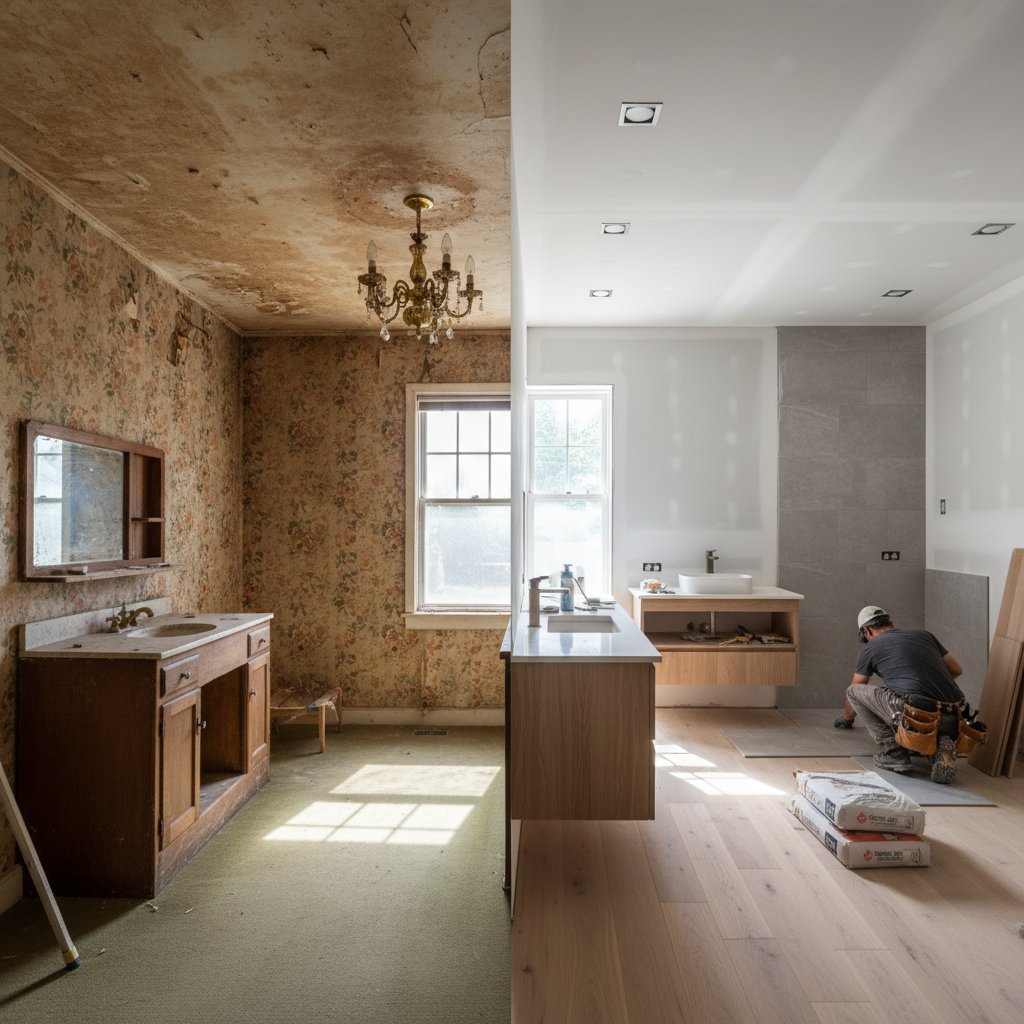
The $15,000 Mistake That Keeps Happening
Marina thought she'd done everything right. She hired a contractor with a decent portfolio, signed what looked like a solid contract, and wired 70% upfront for her Moscow apartment renovation. Three months later, she was sitting in a half-finished apartment with exposed wiring, uneven floors, and a contractor who'd stopped answering calls.
Sound familiar? Here's the uncomfortable truth: roughly 60% of full-service apartment renovations in Russia either exceed their budget by more than 40%, drag on for twice the planned timeline, or get abandoned mid-project. That's not a typo. More than half.
Why Turnkey Renovations Collapse (Even With "Good" Contractors)
The root problem isn't what most people think. Bad contractors exist, sure. But most renovation disasters happen with average contractors who simply bit off more than they could chew.
The Cash Flow Death Spiral
Here's what actually happens: A contractor takes your 70% deposit. They start three other projects that same week because they need the cash flow. Your materials get delayed because suppliers won't deliver without payment. The contractor uses your money to finish someone else's bathroom. Now they can't buy your tiles without the next client's deposit.
Congratulations—you're stuck in a Ponzi scheme disguised as a renovation.
The Subcontractor Shell Game
Most renovation companies don't actually employ the people swinging hammers in your apartment. They're brokers who coordinate electricians, plumbers, plasterers, and tile setters. When one subcontractor ghosts (and they will), your entire timeline implodes. The domino effect is brutal: the electrician's delay pushes back the plasterer, which delays the painter, which means your flooring guy has moved on to another job.
Red Flags That Scream "Run Away"
Before we get to solutions, let's talk about warning signs you probably ignored:
- They want more than 30% upfront. If a company needs 50-70% before starting, they're either financially unstable or planning to juggle your money across multiple projects.
- The contract lists "approximate" costs. A proper estimate breaks down every square meter of flooring, every light fixture, every can of paint. Vague numbers mean guaranteed overruns.
- No dedicated project manager. If the person who sold you the project isn't the person managing it daily, communication will collapse within two weeks.
- They can start "immediately." Good contractors have a pipeline. If they're available tomorrow, ask yourself why they're not booked.
How to Actually Protect Your Renovation (And Your Sanity)
Step 1: Structure Payments Like You Don't Trust Anyone
Because you shouldn't. Break payments into five or six milestones, not three. Pay 20% to start, then link every subsequent payment to completed, inspected work. Demolition done and debris removed? Next payment. Electrical rough-in approved? Next payment. This keeps contractors honest and financially motivated to keep moving.
Hold 15-20% until final walkthrough. Non-negotiable.
Step 2: Build a Two-Week Buffer Into Every Phase
Your contractor says six weeks for the full renovation? Plan for nine. Not because you expect them to fail, but because materials get stuck in customs, tiles arrive cracked, and that "simple" plumbing connection reveals pipes from 1974 that need replacing.
Clients who build buffers sleep better. Clients who don't end up living with in-laws for an extra month.
Step 3: Put Everything in Writing (Yes, Everything)
That conversation about moving the outlet? Written change order. The agreement to use a different tile because yours is backordered? Documented with photos and prices. Verbal promises evaporate the moment something goes wrong.
Create a shared Google Doc or Telegram chat where every decision gets logged with dates. This isn't about being difficult—it's about having receipts when memories get fuzzy.
Step 4: Visit the Site Obsessively
Drop by unannounced three times a week minimum. You'll catch problems while they're fixable: wrong paint color on the walls, crooked tile layout, cabinets installed backwards. Fixing these issues costs 200 rubles on Tuesday and 20,000 rubles on Friday after everything's sealed and dried.
The Insurance Policy Nobody Talks About
Find a независимый строительный надзор—an independent construction supervisor. For 30,000-50,000 rubles, they'll inspect work at each phase and verify it meets building codes before you release payment. They catch the corners your contractor cuts when they think you won't notice.
Think of it as paying 3-5% of your budget to protect the other 95%.
Your Actual Path Forward
Start by interviewing five contractors, not two. Ask for references from projects completed more than six months ago—recent clients are still in the honeymoon phase. Check if they're registered as a legal entity, not just some guy with a phone number.
Then structure your contract with milestone payments, documented everything, and built-in buffers. Your apartment renovation doesn't have to become a cautionary tale your friends tell at parties. It just requires treating it like the five-figure investment it actually is.