Ремонт квартир под ключ in 2024: what's changed and what works
Full-scale apartment renovations have evolved dramatically over the past year. Gone are the days when you'd hire a contractor based solely on a handshake and a rough estimate scribbled on notebook paper. The turnkey renovation market in 2024 looks radically different from even 18 months ago, and if you're planning a project, you need to know what actually moves the needle now.
I've watched dozens of projects unfold this year, talked to contractors who've adapted and those who haven't, and tracked what separates nightmare renovations from smooth ones. Here's what's genuinely working right now.
What's Actually Changed in Turnkey Renovations
1. Digital Project Management Isn't Optional Anymore
Remember when your contractor would text you photos from the job site and you'd try to track progress through a messy WhatsApp thread? That approach died somewhere around March 2024. The contractors landing consistent work now use dedicated platforms where you can see live updates, approve material selections, and track spending against budget in real-time.
The shift happened because clients got tired of the communication black hole. One contractor I spoke with said his conversion rate jumped from 40% to 73% after implementing a client portal. People want transparency, not reassurance. They want to log in at 11 PM and see that the electrician finished the wiring in the kitchen, complete with timestamped photos.
The best systems let you approve change orders digitally too. No more "we already started the work, so you need to pay for it" surprises. Everything gets documented before a single tile gets laid.
2. Fixed-Price Contracts Have Gotten Smarter
The traditional fixed-price model always had a fatal flaw: contractors would lowball the estimate, then nickel-and-dime you with "unforeseen circumstances" charges. In 2024, the smart operators have flipped this script entirely.
Now you're seeing contracts with detailed contingency clauses built in—typically 10-15% of the total budget set aside for genuine surprises like hidden water damage or outdated electrical systems that need upgrading to code. But here's the kicker: if those funds don't get used, you get them back. One couple I know got a €2,400 refund on their €45,000 renovation because the contingency wasn't needed.
This approach works because it removes the incentive for contractors to manufacture problems. They're not trying to pad the bill—they've already got a buffer if needed, and their reputation benefits from returning unused funds.
3. Material Selection Happens Before Signing
The biggest source of renovation delays used to be the material selection phase dragging on for weeks after work started. Crews would sit idle while homeowners agonized over tile choices. That burns money fast—a crew of four costs €300-500 per day whether they're working or waiting.
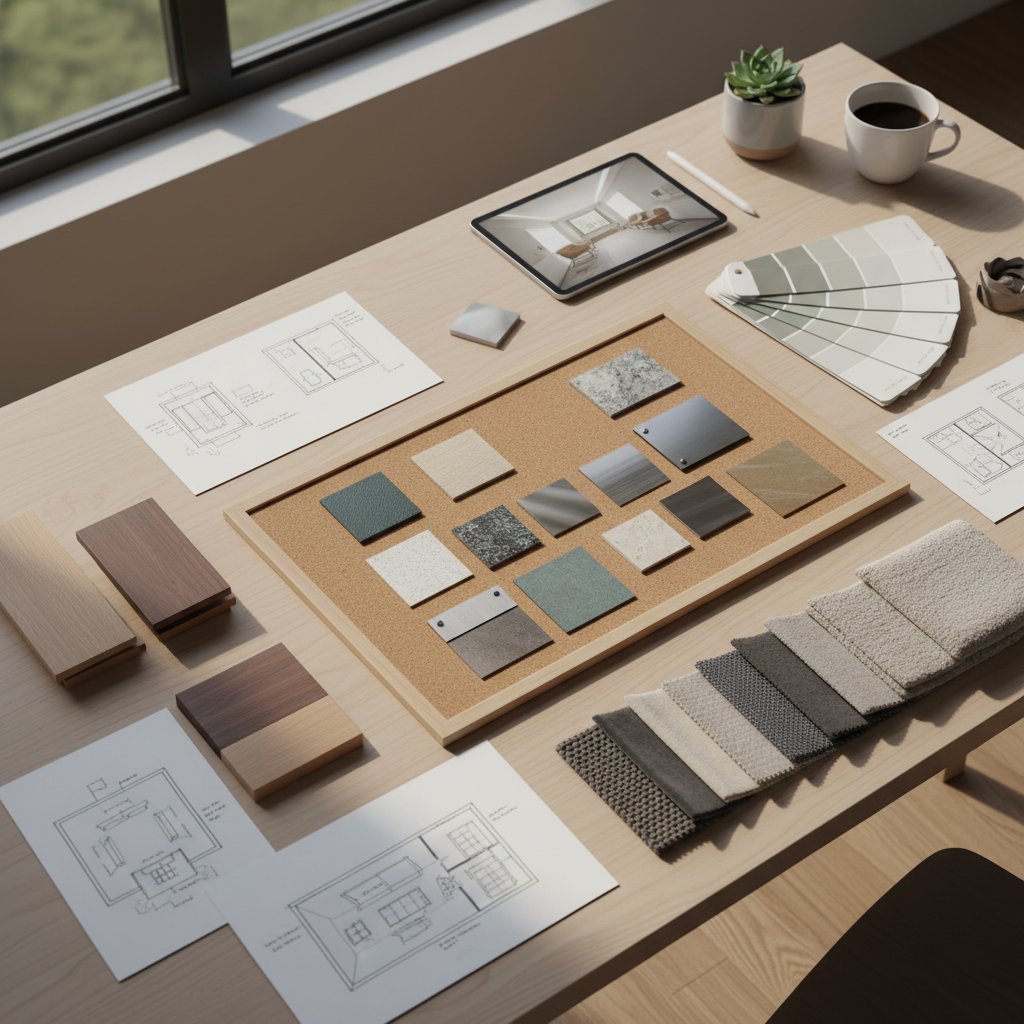
The process now front-loads all major decisions. Before you sign anything, you're spending 2-3 weeks in a design phase where every material gets selected, ordered, and confirmed available. Yes, it feels slow at first. But renovations that follow this model are finishing 20-30% faster than those that don't.
One designer told me she won't even provide a final quote until clients have visited showrooms and made concrete choices. It sounds rigid, but her projects average 6 weeks for a complete apartment renovation versus the industry standard of 10-12 weeks.
4. Eco-Friendly Isn't a Premium Add-On
Sustainable materials and energy-efficient solutions have moved from the "nice to have" column to standard practice. LED lighting, low-VOC paints, and water-saving fixtures now appear in baseline quotes, not as expensive upgrades.
The economics shifted because these materials aren't significantly more expensive anymore, and they're what buyers expect when they see a renovated apartment. Properties with energy-efficient certifications are selling 12-15% faster in major markets. Contractors know this, so they're building it into their standard offerings.
Heat recovery ventilation systems, for example, used to add €3,000-4,000 to a project. Now they're closer to €1,800-2,200 and often included in mid-range packages because they're becoming code requirements in new construction anyway.
5. Payment Schedules Protect Both Sides
The old model—50% upfront, 50% on completion—created terrible incentives. Contractors would rush through the finish work to get their final payment, or homeowners would withhold payment over minor issues, leaving contractors cash-strapped.
Milestone-based payments have taken over. You might pay 20% to start, then 20% after demolition and rough-in work, another 30% when materials are installed, 20% after initial completion, and the final 10% after a punch-list walkthrough. Each payment is tied to inspectable progress.
This structure keeps contractors funded throughout the project without front-loading risk for homeowners. Nobody's incentivized to cut corners or drag their feet. The work flows at a natural pace because cash flows predictably.
6. Warranty Terms Actually Mean Something
Warranties used to be whatever the contractor felt like offering—maybe a year on labor, maybe nothing in writing. In 2024, standardized warranty structures have emerged, largely because insurance companies started requiring them.
Expect a minimum two-year warranty on labor and five years on major systems like plumbing and electrical. Some contractors now offer 10-year structural warranties backed by third-party insurance. This costs them about 1-2% of the project total, but it's become a competitive differentiator.
The real change? These warranties are enforceable. They're underwritten by actual insurance policies, not just the contractor's promise to come back if something breaks. That matters when you're making a €50,000+ investment.
What This Means for Your Project
The renovation industry finally grew up. The cowboys who operated on handshakes and vague estimates are losing ground to professionals who understand that transparency and structure aren't bureaucracy—they're how you deliver consistent results.
Your job as a client got easier in some ways and more demanding in others. You'll need to engage seriously during the design phase, making decisions when they matter instead of figuring things out as you go. But in exchange, you get predictable timelines, transparent costs, and finished projects that don't require a punch list longer than your grocery receipt.
The contractors thriving right now aren't necessarily the cheapest or the fastest. They're the ones who've systematized their process, eliminated the communication gaps that created conflict, and built reputations on delivering what they promised. Find one of those, and your turnkey renovation might actually be the smooth experience you imagined when you started planning.